How to Handle False Blocking
Categories:
Some services are considered necessary by some users but viewed as personal information collection or advertising by others. For example, WeChat and Alipay may contain small programs that mix services with ads, making them unusable. Payment redirects such as parking lots or vending machines may also fail to function properly.
If strict blocking rules are set, these services may be blocked, causing service disruptions.
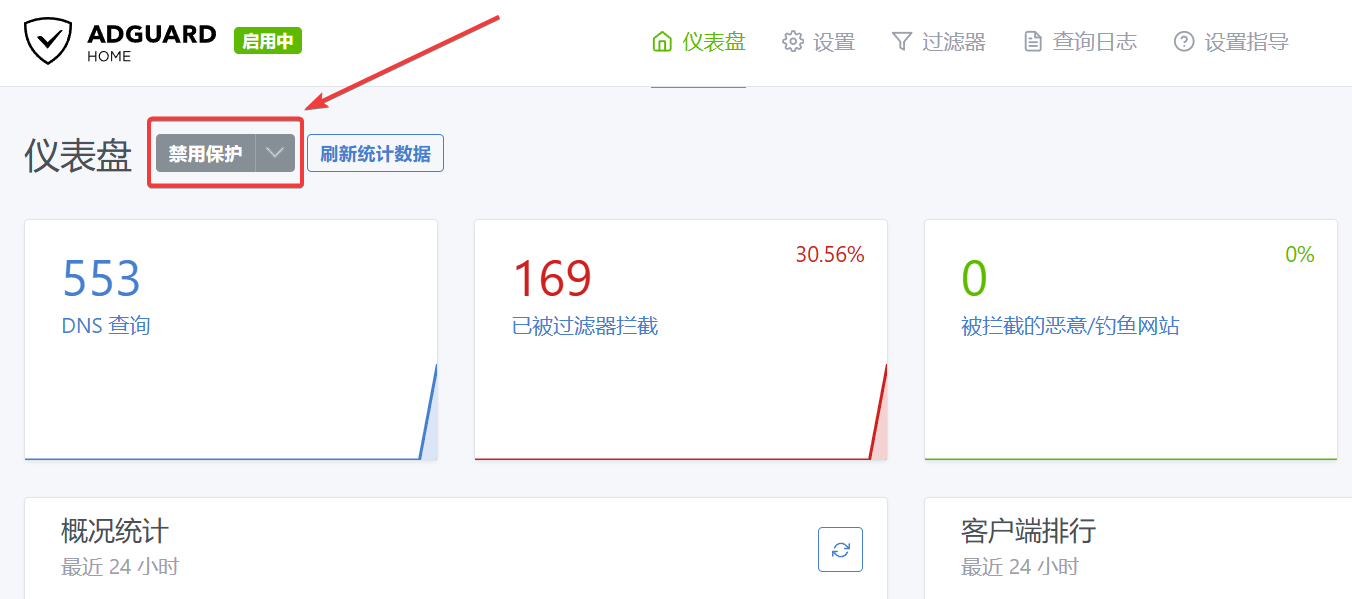
Temporarily Disable Protection
If you need an urgent, temporary solution, you can resolve the issue by temporarily disabling protection, which typically takes effect within 10 seconds.
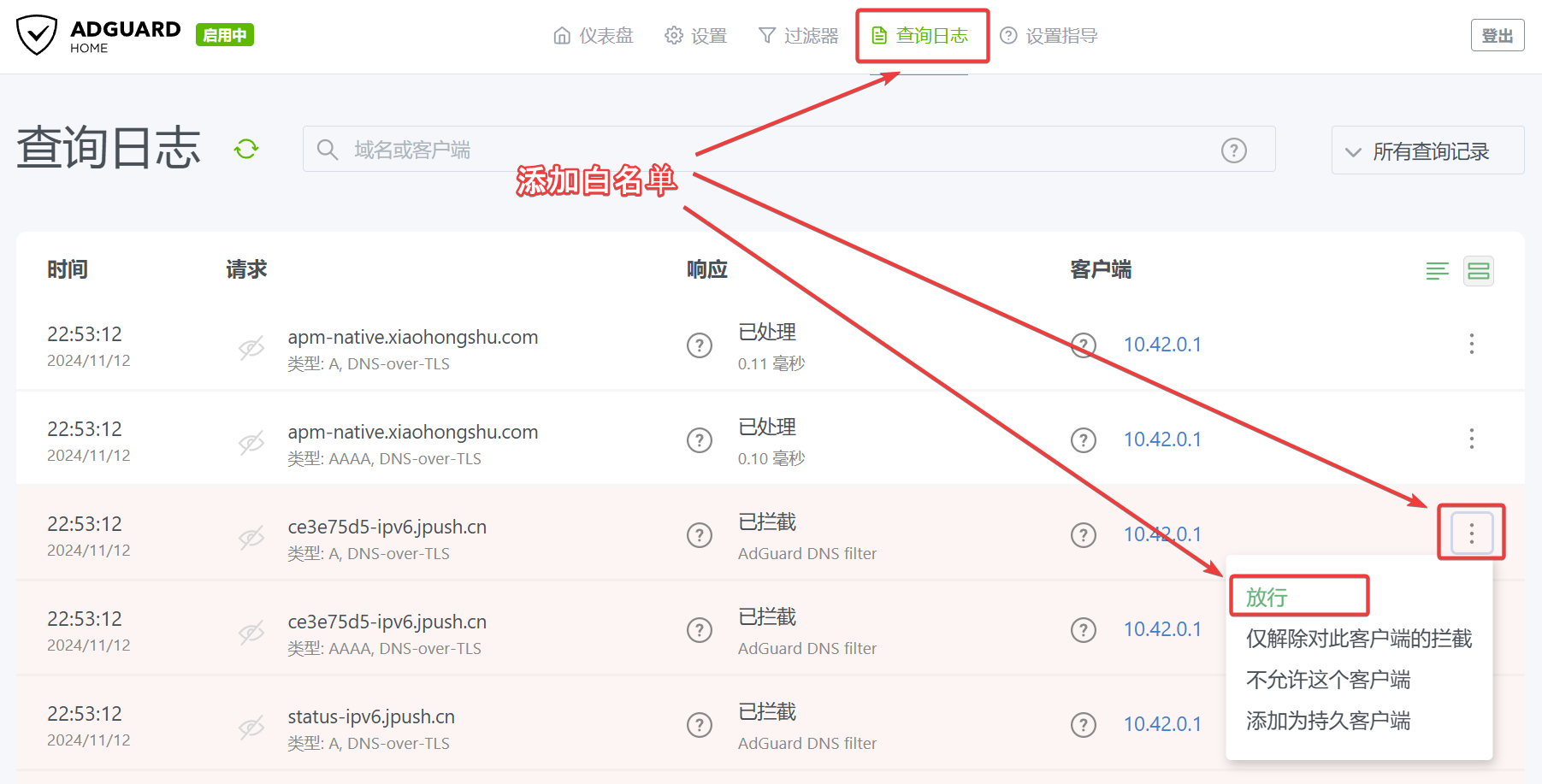
Add Service to Whitelist
For services used long-term, you can add them to the whitelist to prevent future blocking. This usually takes effect within 10 seconds.
Temporarily Suspend Settings
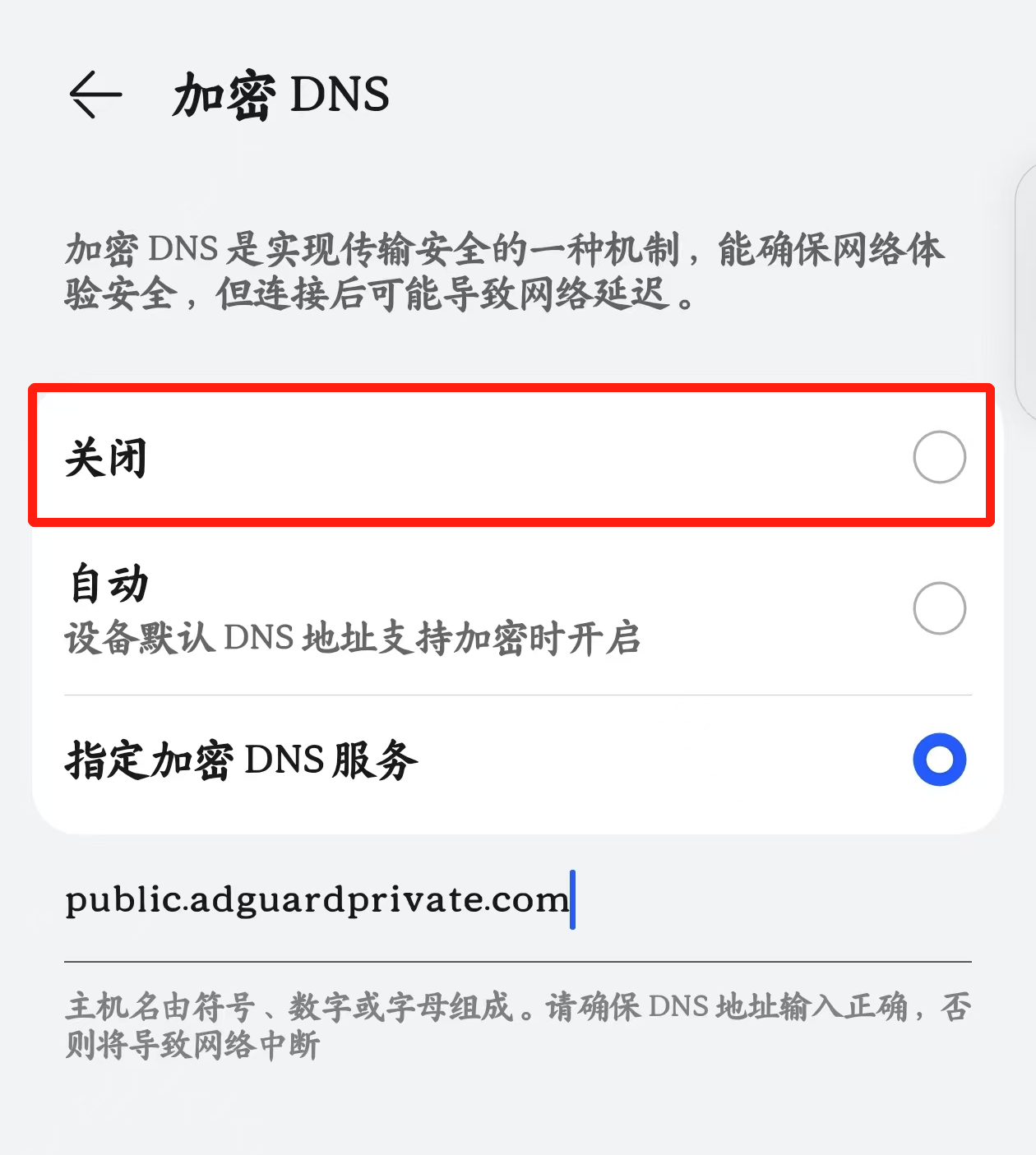
Public service users can resolve the issue by temporarily suspending the service, which typically takes effect within 60 seconds.